


Whitepaper
0 min Read
13 Jul, 2026
Share On


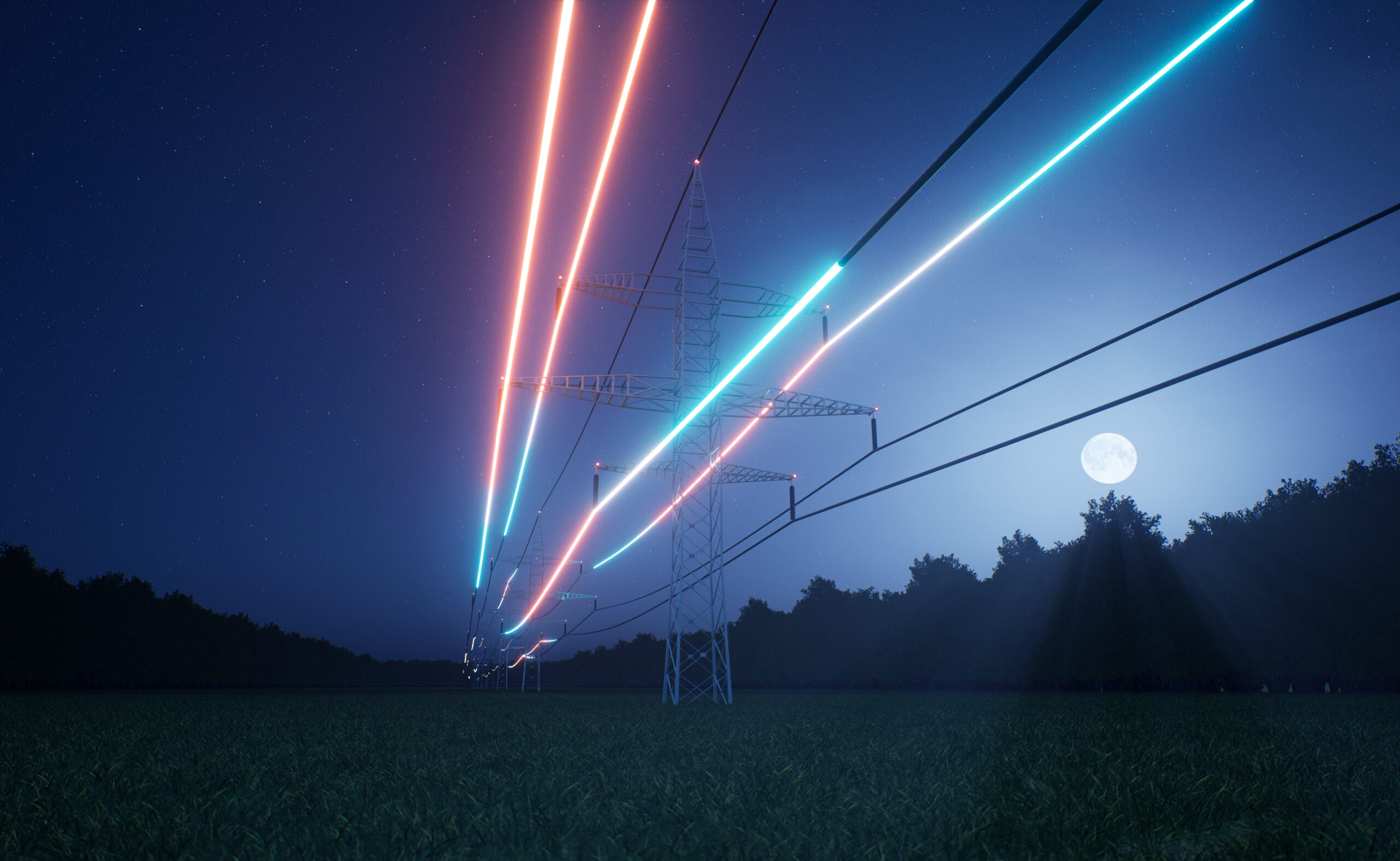
AI has flipped US energy’s core constraint from capital to capacity, pushing hyperscalers to directly own generation rather than merely purchase it. Natural gas leads near-term buildout while nuclear captures premium long-term contracts. With $700 billion in 2026 AI capex committed, execution timelines, not demand, are now the real risk.
US energy’s binding constraint has shifted from financing availability to raw generation capacity, as data-center demand climbs toward 134.4 gigawatts by 2030, redefining how investors underwrite energy assets.
Technology companies are bypassing grid procurement entirely, contracting generation directly through deals like Microsoft’s $16 billion Three Mile Island agreement, structurally shifting ownership of US power infrastructure toward AI buyers.
Gas wins the near-term AI buildout on speed, while nuclear draws premium long-duration contracts for firm, carbon-free power, splitting generation investment along build-speed and reliability lines through 2030.
Current valuations assume flawless execution across gas, nuclear, and SMR timelines that have historically run years behind schedule, leaving $700 billion in committed AI capital exposed to delivery risk.
Share On




 info@rckanalytics.com
 +91 914 533 9262
 +91 (20) 46046669
 M 109 City Avenue, Shankar Kalat Nagar, Wakad, Pimpri-Chinchwad, Pune, Maharashtra, India - 411 057


Services
Sectors
Resources
Company