Credit Risk Assessment of a Municipal Water Treatment Plant (U.S.)
24 Apr, 2026
deepak
Investment Banking Analyst
Share On
Summary
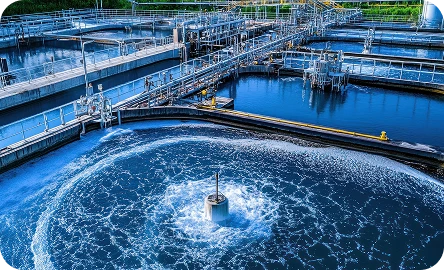
A large-scale municipal water treatment facility in Phoenix sought institutional financing to upgrade aging infrastructure and meet tightening environmental compliance standards. The project required a robust credit risk assessment to support debt issuance. The engagement focused on evaluating revenue stability, regulatory exposure, and long-term cash flow sustainability within the U.S. water management and utilities sector.
Identifying Challenges
Revenue streams dependent on regulated tariffs, with limited pricing flexibility and exposure to municipal governance cycles and political intervention risks.
High capital expenditure requirements driven by U.S. Environmental Protection Agency compliance mandates, impacting leverage capacity and debt service coverage ratios.
Demand variability influenced by climate patterns, population growth, and industrial consumption cycles, affecting long-term cash flow predictability.
Aging infrastructure leading to operational inefficiencies, increasing maintenance costs, and elevating risk of unplanned capital outlays.
Our Solution
Developed a detailed integrated financial model incorporating tariff structures, consumption trends, and regulatory caps to project revenue stability under multiple macroeconomic and policy scenarios.
Conducted credit risk analysis aligned with municipal bond market frameworks, benchmarking against comparable U.S. water utilities to assess relative credit positioning and investor attractiveness.
Performed scenario-based stress testing, including drought conditions, regulatory tightening, and delayed tariff revisions, to evaluate downside resilience and covenant compliance thresholds.
Assessed capital structure optimization, recommending an optimal mix of senior debt and tax-exempt municipal bonds to minimize cost of capital while maintaining credit quality.
Built cash flow waterfall models to analyze debt servicing capacity, ensuring alignment with lender requirements and rating agency methodologies.
Delivered investment-grade credit memorandum with actionable insights for institutional investors, enabling informed underwriting and risk pricing decisions.
Highlights
Robust tariff-linked revenue modeling framework
Advanced regulatory risk quantification approach
Scenario-driven cash flow resilience testing
Institutional-grade credit benchmarking analysis
Optimized capital structure for debt issuance
Investor-ready credit documentation and insights
The engagement enabled a comprehensive understanding of credit fundamentals within the water utilities sector, balancing regulatory constraints with financial sustainability. Outcomes included enhanced investor confidence, improved credit visibility, and a structured pathway for successful capital market access.
Marking the Transition
From fragmented financial visibility to institutional-grade credit clarity, enabling infrastructure financing aligned with regulatory, operational, and investor expectations.
Structured risk assessment framework
Data-driven financial insights
Enhanced investor confidence
Scalable infrastructure financing strategy
Industry Expert Quote
Exceptional analytical depth and clarity in translating complex regulatory and operational variables into actionable credit insights. The rigor of financial modeling significantly strengthened our financing strategy.
A rigorous credit risk assessment enables water utilities to unlock institutional capital, optimize financing structures, and strengthen balance sheet resilience. By integrating regulatory analysis, financial modeling, and market intelligence, utilities can enhance creditworthiness, mitigate downside risks, and align with investor expectations. This approach is critical for infrastructure modernization, ensuring sustainable operations while maintaining access to cost-efficient funding in increasingly complex capital markets.
Partner with RCK Analytics to access finance-led teams delivering research and analytics at institutional standards, with speed, scale, and cost efficiency.









 info@rckanalytics.com
 +91 914 533 9262
 +91 (20) 46046669
 M 109 City Avenue, Shankar Kalat Nagar, Wakad, Pimpri-Chinchwad, Pune, Maharashtra, India - 411 057