


Blog
1 min Read
28 Jan, 2026
Share On


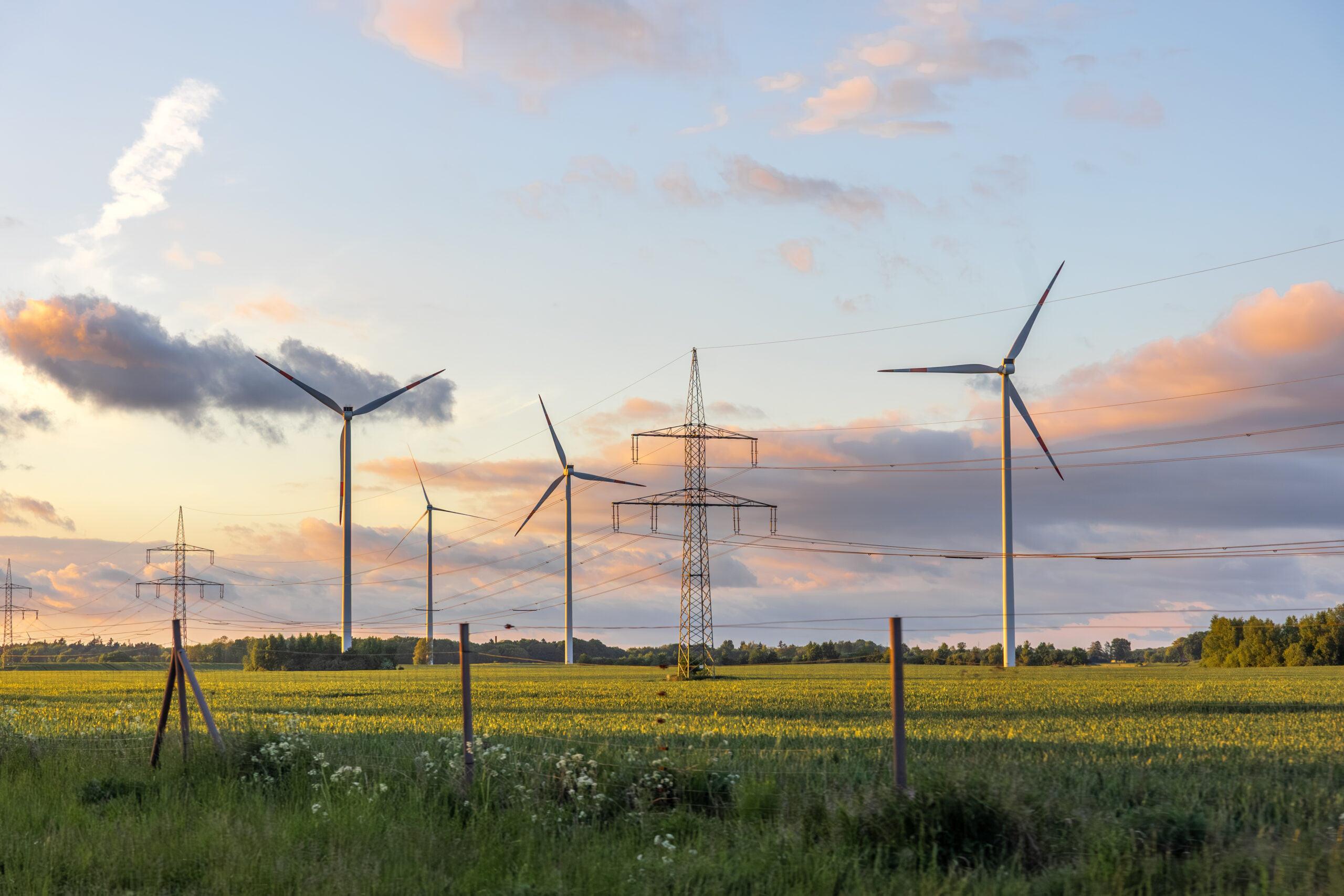
The U.S. power grid, much of it built decades ago, is facing a structural test it was never designed for. Roughly 70% of U.S. transmission lines and large power transformers are more than 25 years old, operating near or beyond their intended lifespan, even as electricity demand enters a new growth phase after nearly two decades of stagnation. This is no longer a maintenance issue it is a capacity and reliability challenge with economy-wide implications.
Demand growth is now coming from multiple directions at once. U.S. electricity consumption is projected to rise over 15% by 2030, driven by data centers, AI compute loads, electric vehicles, advanced manufacturing, and electrification of heating and industrial processes. In January 2026, the largest U.S. grid operator forecast all-time record winter peak demand, underscoring how load growth is no longer confined to summer cooling cycles.
Data centers alone are expected to more than double their power usage by the end of the decade, placing acute pressure on regional grids. At the same time, grid congestion is worsening. Interconnection queues now exceed 2 terawatts of proposed generation and storage capacity, much of it stalled by permitting delays, aging infrastructure, and insufficient transmission investment. This bottleneck is increasing price volatility, raising curtailment risks for renewables, and elevating blackout probabilities during extreme weather events. Investment needs are rising sharply.
Federal agencies estimate the U.S. must invest over USD 100 B this decade in transmission expansion, grid hardening, and digital modernization to maintain reliability. Smart grids, advanced metering, and grid-scale storage are becoming critical enablers, not optional upgrades, as operators attempt to balance resilience, affordability, and decarbonization.
Looking ahead, the U.S. power grid is transitioning from a stable utility backbone into a strategic economic asset. How quickly infrastructure, regulation, and capital deployment align will shape energy security, industrial competitiveness, and growth outcomes for years to come.
Share On




 info@rckanalytics.com
 +91 914 533 9262
 +91 (20) 46046669
 M 109 City Avenue, Shankar Kalat Nagar, Wakad, Pimpri-Chinchwad, Pune, Maharashtra, India - 411 057


Services
Sectors
Resources
Company