

Blog
1 min Read
04 Mar, 2026
Share On


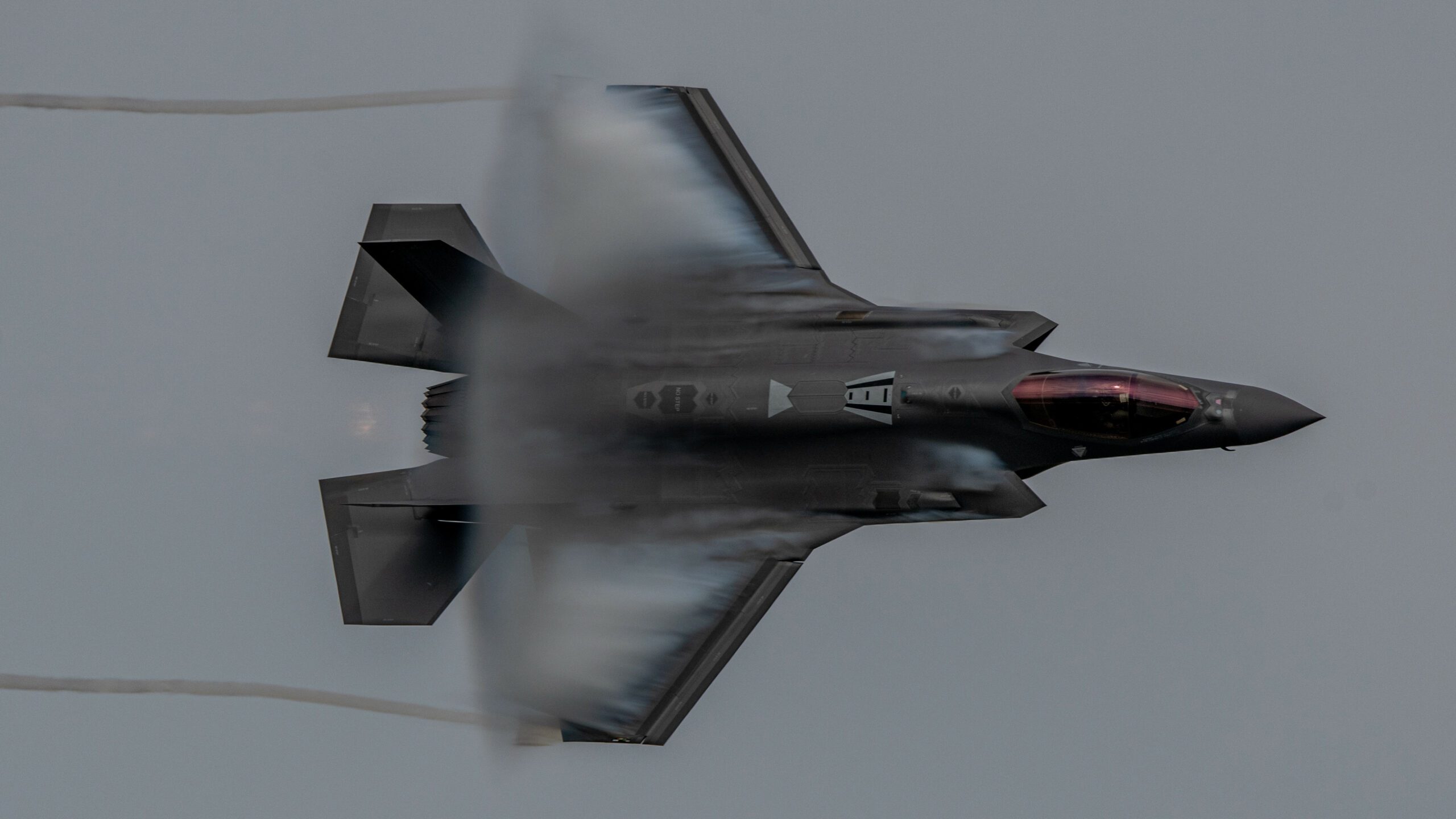
When Defence Suppliers outperform the S&P 500 by +41.9% points in a single year (2025), PE doesn’t walk in. It sprints. Q4 2025 closed as one of the strongest quarters for the US Aerospace & Defence (A&D) deal activity on a record 118 transactions, Full-year PE deal count in 2025 rose 24.4% to 357 transactions, with aggregate deal value climbing 19% to USD 55.6 billion.
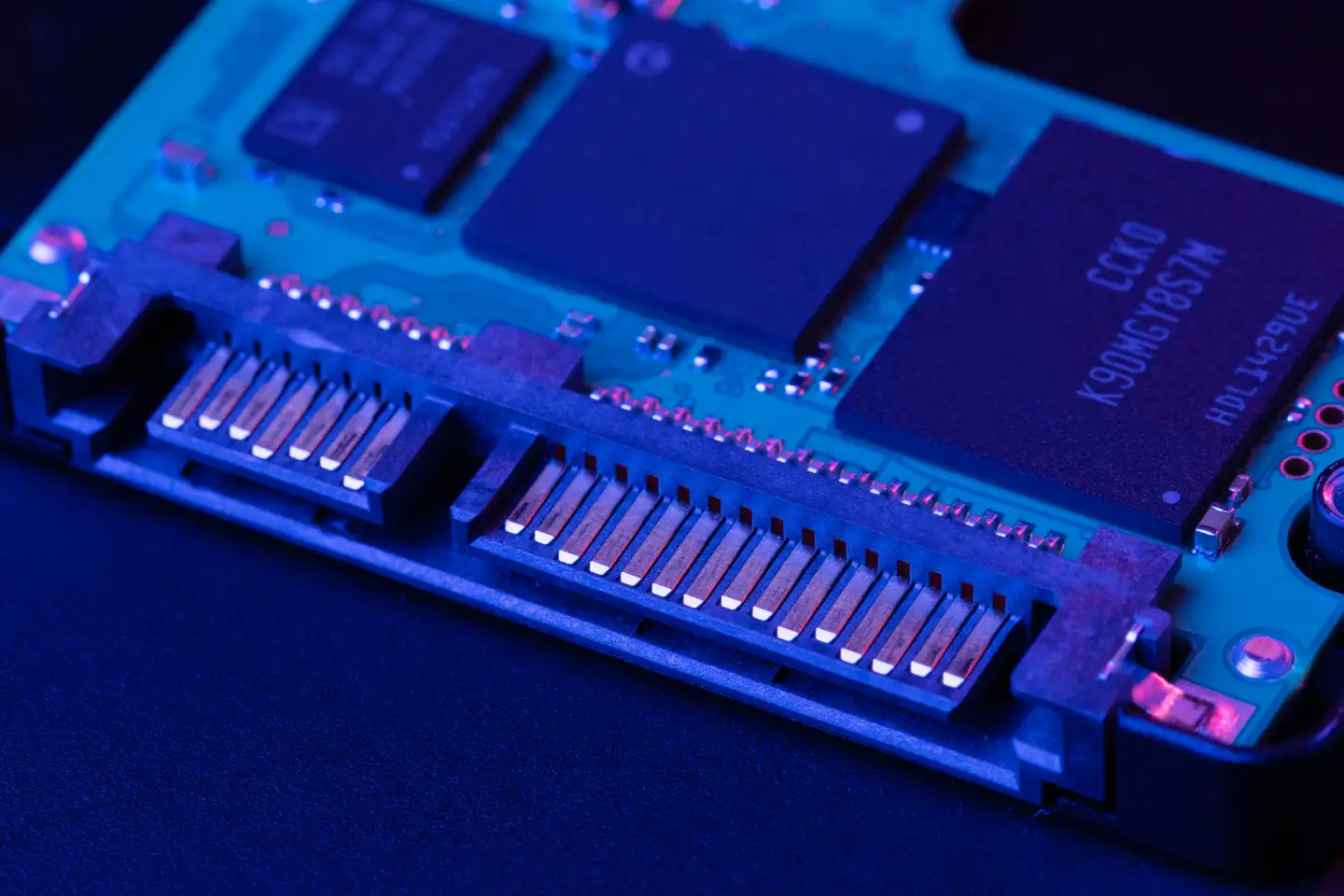
Defence electronics led, with 27 PE deals and USD 1.7 billion in deal value in 2025 nearly doubling the 14 deals recorded in the prior year. Electronics is now the sector’s most active PE sub-segment. The thesis is structural: prime contractors do not self-manufacture the subcomponents including sensors, jammers, guidance electronics, command-and-control modules that go into major weapons systems. Smaller, specialized suppliers build them.
That makes the segment a natural PE roll-up opportunity: start with a platform, add on complementary suppliers, build share with a prime, establish direct government relationships, and underwrite forward EBITDA against a clear DoD Department of Defence procurement roadmap.
Three forces are sustaining deal momentum into 2026. Firstly, the FY2026 NDAA authorizing USD 900.6 billion has given sponsors an unprecedented multi-year visibility window into funded programs. With USD 1.5 billion dedicated to AI and autonomous systems and accelerated prototype-to-production timelines now mandated at under 12 months. Secondly, supply chain sovereignty is a non-negotiable value driver.
Chinese component dependencies in electronics, magnets, and precision manufacturing are active disqualifiers in defence procurement creating the strong re-shoring of M&A imperative and providing premium pricing for domestically certified suppliers. Thirdly, exit markets are supportive.
Defence Suppliers delivered +58.8% LTM returns as on 31 December, versus the S&P 500’s +16.9%, keeping public comps elevated and trade sale multiples firm. In 2026, the PE playbook in A&D is clear: acquire electronics and autonomy-adjacent platforms early, build scale against funded DoD programs, and exit into a defence industrial base that is being structurally re-wired from the top down.
Share On




 info@rckanalytics.com
 +91 914 533 9262
 +91 (20) 46046669
 M 109 City Avenue, Shankar Kalat Nagar, Wakad, Pimpri-Chinchwad, Pune, Maharashtra, India - 411 057


Services
Sectors
Resources
Company